Google Maps
https://maps.app.goo.gl/x7RBzMVFjBky8g629?g_st=i
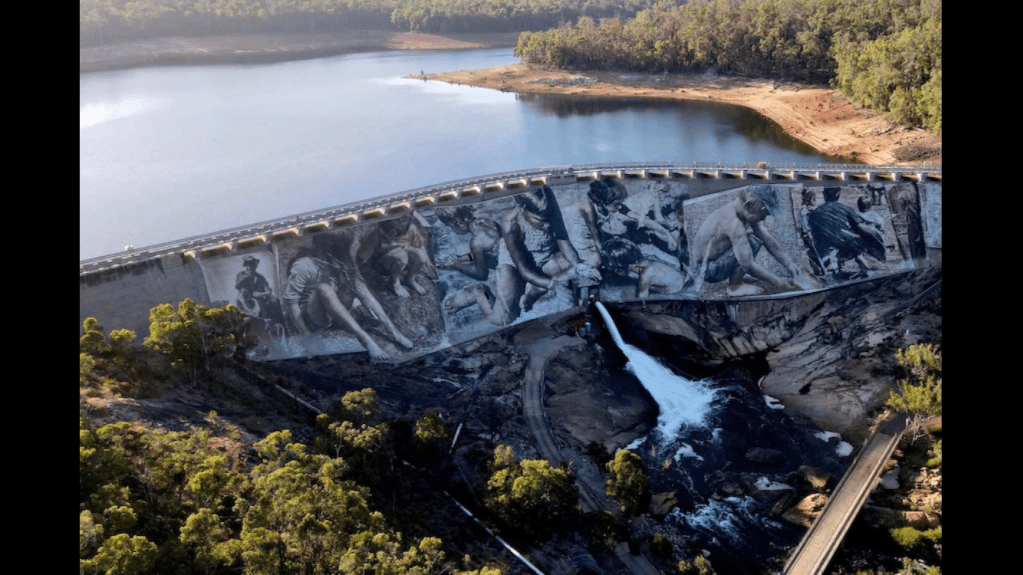
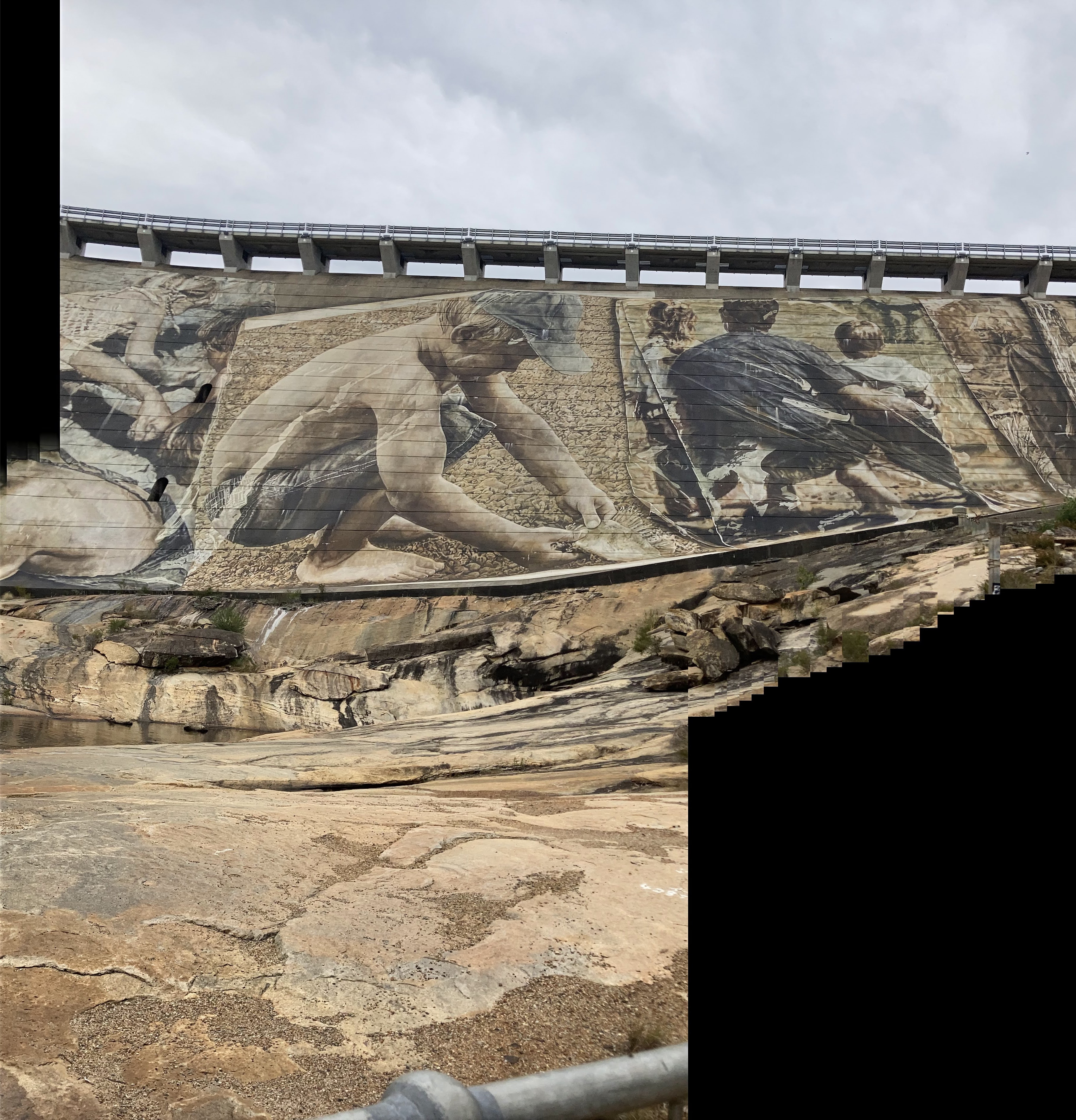
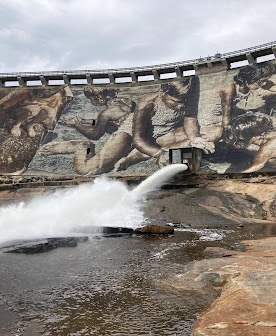
Have you been to see this amazing work of art on the dam wall of Wellington dam. The second largest dam in Western Australia, fed by the Collie River. It was completed in 2021 by Guido van Helton and entitled Reflections.
Potters Gorge is a large campground in the Jarrah forest on the shore of Wellington Dam.

Bookings are essential and can be made up to 180 days (approximately six months) before arrival and for one campsite only.
Potters Gorge
Campsites
https://exploreparks.dbca.wa.gov.au/site/potters-gorge-campground
Fifty-nine campsites of varying surfaces, sizes and layouts. Bookings are essential. Parking is a short walk from the camping area.
All campsites are unpowered.
Check campsite details and the campground map carefully when booking.
Facilities
Drinking water not provided. Rainwater may be seasonally available but supply is not guaranteed and treatment is required to make safe for consumption.
No-flush pit toilets.
Chemical toilet dump point.
Sheltered dining areas with gas barbecue, food preparation surfaces, dishwashing sinks with cold rainwater only (not guaranteed year-round), picnic tables.
All campsites have a picnic table and a fire ring.
Campground Rules
Campfires when conditions permit and in the provided fire rings only. Usual permitted season: April – November.
Chopped firewood may be available. Bring your own in case none is available. Collecting firewood and kindling is not permitted in national parks and other conservation reserves.
Dogs are not permitted.
Generator use is permitted at all campsites between 8am-6pm only.
Do not empty chemical toilet waste into campground toilets. Use the dump point or carry waste out of the park for disposal in an authorised dump point.
Fees
A per person camping fee applies. There is no vehicle entry fee for Wellington National Park.
Camping fee must be paid by Mastercard or VISA when booking.
Safety information
Drinking water is not provided. Rainwater may be seasonally available but supply is not guaranteed and should be treated to make safe for consumption.
No-flush pit toilets are the only personal hygiene facility.
December to April can be extremely hot and the risk of bushfire can be very high.
Nights can be cold from June to September.
Storms are common between May and October throughout WA.
Ensure you have sufficient supplies (including water, food, fuel, medication and first aid), and equipment and clothing appropriate for the conditions before travelling.
Be prepared for an emergency. For alerts, warnings and advice go to: Emergency WA
 Campyourworld